
 EN
EN
 AR
AR
 BG
BG
 HR
HR
 CS
CS
 DA
DA
 NL
NL
 FI
FI
 FR
FR
 DE
DE
 EL
EL
 HI
HI
 IT
IT
 JA
JA
 KO
KO
 NO
NO
 PL
PL
 PT
PT
 RO
RO
 RU
RU
 ES
ES
 SV
SV
 CA
CA
 TL
TL
 IW
IW
 ID
ID
 LV
LV
 LT
LT
 SR
SR
 SK
SK
 UK
UK
 VI
VI
 ET
ET
 GL
GL
 HU
HU
 TH
TH
 TR
TR
 FA
FA
 AF
AF
 MS
MS
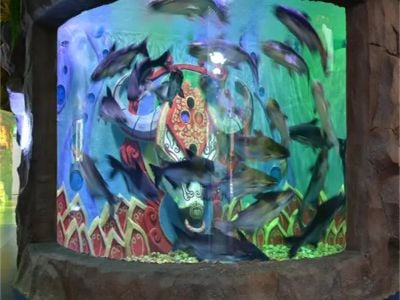
जलजीवशाला के लिए एक्रिलिक टैंक दृश्यतः आकर्षक और कांच की तुलना में हल्के होने के कारण लोकप्रिय हैं। हालाँकि, सभी एक्रिलिक टैंक समान नहीं होते हैं। एक्रिलिक टैंक का एक प्रमुख पहलू उसके एक्रिलिक की मोटाई है। बहुत पतला एक्रिलिक टैंक आसानी से टूट सकता है। दूसरी ओर, बहुत मोटा एक्रिलिक टैंक अत्यधिक भारी होगा और आवश्यकता से अधिक लागत भी ला सकता है। इसीलिए शंघाई लानहू आपकी सहायता के लिए यहाँ है। हमारा मानना है कि एक्रिलिक जलजीवशाला टैंकों की मोटाई का मानकीकरण अत्यधिक लाभदायक होगा, जिससे ग्राहक अपनी व्यक्तिगत आवश्यकताओं के अनुसार उचित टैंक का चयन कर सकेंगे, जिससे मछलियों और समुद्री जीवन के लिए एक सुरक्षित और सुंदर आवास सुनिश्चित होगा
एक्रिलिक जलजीवशाला टैंक की मोटाई से संबंधित सामान्य समस्याएँ और उनके समाधान
अधिकांश मछली प्रेमियों द्वारा की जाने वाली एक प्रमुख चूक यह समझना नहीं है कि किस आकार की एक्रिलिक जलचर टैंक वे अपनी व्यक्तिगत आवश्यकताओं के लिए इसकी आवश्यकता रखते हैं। यदि एक्वेरियम टैंक की दीवारें बहुत पतली हैं, तो वे पानी के दबाव का समर्थन नहीं कर पाएँगी, जिससे दरारें आ सकती हैं या टैंक का पूर्ण ढहना भी हो सकता है। एक विशाल, पूर्ण रूप से भरे हुए एक्वेरियम के दरार पड़ने और टूटने की कल्पना करना आसान है, जिससे मछलियों को और घर के मालिक की संपत्ति को नुकसान का खतरा हो सकता है। इसके विपरीत, अत्यधिक मोटे एक्रिलिक से बने एक्वेरियम टैंक अत्यधिक भारी होंगे और उन्हें स्थानांतरित करना या स्थापित करना कठिन होगा। यह व्यवसायों के लिए भी लागत को उससे अधिक बढ़ा सकता है जो मूल्य अधिकतमीकरण के प्रयास में उचित मानी जाती है। एक्रिलिक एक्वेरियम का चयन करते समय, सबसे अच्छा मार्गदर्शक यह है कि आप किस प्रकार की मछलियाँ रखने का इरादा रखते हैं और उन्हें कितना स्थान की आवश्यकता होगी। एक छोटी मछली जैसे सोने की मछली को शार्क को रखने के लिए डिज़ाइन किए गए टैंक जितनी मोटाई के एक्रिलिक एक्वेरियम की आवश्यकता नहीं होती है। मोटाई से संबंधित समस्याओं से पूरी तरह बचने के लिए, हम आपको शंघाई लानहू जैसे निर्माताओं से संपर्क करने के लिए प्रोत्साहित करते हैं, जहाँ हमने आपके टैंक के विशिष्ट आकार के लिए सही एक्रिलिक मोटाई का चयन करने में सहायता के लिए विस्तृत मार्गदर्शिकाएँ विकसित की हैं। एक्वेरियम टैंक के टूटने का एक अन्य कारण गलत स्थापना है। यदि टैंक को गलत स्थान पर रखा गया है और वह समतल सतह पर स्थित नहीं है, तो टैंक के एक ओर अधिक भार पड़ेगा, जिससे दरारें आ सकती हैं।
व्यापारिक श्रेणी के एक्रिलिक जलजीवशाला को खरीदते समय मोटाई के संबंध में किन विशिष्टताओं पर विचार किया जाना चाहिए
जब व्यावसायिक श्रेणी के एक्रिलिक जलजीवशाला की चर्चा की जाती है और उपयोग के लिए उचित एक्रिलिक मोटाई निर्धारित की जाती है, तो कई कारकों पर विचार करना आवश्यक होता है। सबसे पहले टैंक की ऊँचाई है। बड़े आकार के टैंक में ऊँचाई के बढ़ने के साथ-साथ टैंक के तल पर लगने वाले दबाव में वृद्धि होती है, जिसके कारण मोटी सामग्री की आवश्यकता होती है। आकार के उदाहरण के रूप में, 24 इंच ऊँचाई का एक टैंक 0.5 इंच मोटाई के एक्रिलिक की आवश्यकता रख सकता है, जबकि 48 इंच ऊँचाई का टैंक 0.75 इंच मोटाई के एक्रिलिक की आवश्यकता रख सकता है। यह वक्रता (बोइंग) के जोखिम को समाप्त करने में सहायता करता है। एक अन्य प्रमुख कारक जिस पर विचार किया जाना चाहिए, वह है जलजीवशाला में क्या रखा जा रहा है। भारी मछलियाँ और पत्थरों तथा पौधों जैसे फर्नीचर जलजीवशाला की दीवारों पर काफी भार डाल सकते हैं, जिससे बड़े या भारी जीवों के समूह के लिए मोटे एक्रिलिक सामग्री की आवश्यकता होती है। अंत में, लेकिन कम महत्वपूर्ण नहीं, जलजीवशाला की स्थिति है। यदि टैंक को ऐसे क्षेत्र में रखा गया है जहाँ कई लोग आते-जाते रहते हैं, तो मोटा एक्रिलिक लाभदायक होगा, क्योंकि यह टक्कर और इसी तरह के संभावित क्षति को सहन कर सकता है। शंघाई लानहू की कोई भी परिस्थिति में सलाह है कि आप एक्रिलिक जलजीवशाला खरीदते समय हमेशा यह विचार करें कि आप किस आकार की मछलियाँ चाहते हैं।
मानक मोटाई कैसे आपके एक्वेरियम टैंकों की दीर्घायु में सुधार करती है
एक एक्वेरियम के बारे में सोचते समय अक्सर रंगीन मछलियों के झुंड की छवि सामने आती है, जो सावधानीपूर्वक व्यवस्थित पत्थरों और पौधों के बीच तैर रही होती हैं, लेकिन लोग शायद ही कभी इस बारे में सोचते हैं कि वह क्या है जो मछलियों को सुरक्षित रखता है और पानी को टैंक के भीतर ही सीमित रखता है। आज के ज़्यादातर एक्वेरियम टैंक एक विशिष्ट प्रकार के प्लास्टिक—एक्रिलिक से बने होते हैं, जो अत्यधिक टिकाऊ साबित हुआ है। एक्रिलिक एक्वेरियम टैंकों की टिकाऊपन के संबंध में सबसे बड़ा निर्धारक कारक उनकी मोटाई है। यदि एक्रिलिक एक्वेरियम टैंक की मोटाई मानकीकृत है, तो यह वर्षों तक टिकाऊपन की गारंटी देती है। एक मानक मोटाई के अनुरूप एक्रिलिक टैंक, अपनी सतहों पर लगने वाले दबाव को उससे कहीं अधिक समान रूप से वितरित करता है जो एक्रिलिक की मोटाई या तो बहुत कम या बहुत अधिक होने पर होता है, जिससे टैंक की संरचनात्मक अखंडता को किसी भी प्रकार का समझौता करने से रोका जाता है। उन मामलों में, जहाँ एक एक्रिलिक जलजीवशाला के टैंक की दीवार का सामग्री बहुत पतली है, जिससे वह आसानी से विकृत हो सकती है और संभावित रूप से फट भी सकती है, जो मछलियों और उनके आसपास के वातावरण दोनों के लिए गंभीर जोखिम पैदा करता है। उचित मानक मोटाई वाला एक्रिलिक टैंक सुनिश्चित करता है कि पानी से भरे जाने पर इच्छित संरचना को बनाए रखने के लिए पर्याप्त सामग्री मौजूद है, बिना किसी विकृति के होने के कोई संभावना नहीं है। शंघाई लानहू जैसे प्रतिष्ठित स्रोतों से खरीदारी करें और आप एक गुणवत्तापूर्ण उत्पाद प्राप्त करेंगे जिसमें मानक मोटाई की गारंटी होगी, जो आपको कई वर्षों तक टिकेगा। यह विशेष रूप से तब सही है जब आप बड़ी मछलियों या बड़ी मात्रा में पानी के लिए विकल्प चुन रहे हों। मानक मोटाई का एक अन्य लाभ सफाई और रखरखाव में आसानी है। एक मजबूत एक्रिलिक टैंक के साथ, सफाई के दौरान या अपने सजावटी तत्वों को स्थानांतरित करते समय आपको उसे क्षतिग्रस्त करने की कोई चिंता नहीं होगी। इससे आपको अपनी जलजीवशाला में मछलियों का आनंद लेते समय अधिक शामिलता और शांति की अनुभूति होगी।
एक्रिलिक टैंक की गुणवत्ता के लिए मानक मोटाई को क्या महत्वपूर्ण बनाता है
मानक मोटाई गुणवत्ता के लिए महत्वपूर्ण है एक्रिलिक जलजंतु घर (एक्वेरियम) के लिए, क्योंकि यह टैंकों के उत्पादन की अनुमति देता है जो पहले बनाए गए टैंक से लेकर एक मिलियनवें टैंक तक समान गुणवत्ता को बनाए रखते हैं। जब एक्रिलिक को प्रत्येक बार समान एकरूप मोटाई में निर्मित किया जाता है, तो इससे एक्रिलिक सामग्री की संरचनात्मक अखंडता को समझौता करने वाले रिसाव, दरारों और अन्य जोखिमों को काफी हद तक समाप्त कर दिया जाता है। बड़े टैंकों में, जो छोटे टैंक की तुलना में अधिक प्रभावी दबाव के अधीन हो सकते हैं, एक मानक मोटाई सुनिश्चित करती है कि एक्रिलिक के कमजोर हिस्से पर केवल उचित सीमा तक ही दबाव लग रहा है। दृश्यतः आकर्षक घरेलू जलजंतु घर टैंकों के निर्माण में, मानक मोटाई एक मजबूत और विश्वसनीय संरचनात्मक डिज़ाइन को बनाए रखने में सहायता करती है, ताकि आपकी मछलियों की सुरक्षा सुनिश्चित की जा सके। एक्रिलिक जलजंतु घर टैंक की मानक मोटाई से उत्पन्न होने वाला एक अतिरिक्त गुण यह है कि यह टैंक के भीतर रखे गए जल के उत्तम ऊष्मा-रोधन में सहायता करता है, जो मछलियों के स्वास्थ्य और कल्याण को बनाए रखने के लिए एक महत्वपूर्ण कारक है। मछलियों की विशाल संख्या में जातियाँ तापमान में थोड़े से परिवर्तन के प्रति अत्यधिक संवेदनशील होती हैं; और तापमान की अस्थिरता के कारण होने वाले तनाव को कम करने के प्रयास में, मानक मोटाई वाला एक्रिलिक टैंक गैर-एकरूप मोटाई वाले टैंकों की तुलना में उत्कृष्ट ऊष्मा-रोधन गुण प्रदान करता है। अंत में, मानक मोटाई एक साफ़ दिखने वाले उत्पाद को सुनिश्चित करती है। मानक मोटाई वाले एक्रिलिक टैंकों में वार्पिंग (विकृति) और धुंधलापन कम होने का निरीक्षण किया गया है, जिससे आपके टैंक का दृश्य आकर्षण कई वर्षों तक बना रहेगा। यदि एक्रिलिक की मोटाई असमान है, तो टैंक का समग्र दृश्य धीरे-धीरे खराब होने लग सकता है और इससे जलजंतु घर के दर्शन का आनंद कम हो सकता है। अतः मानक मोटाई को गुणवत्तापूर्ण उत्पादन के लिए एक महत्वपूर्ण कारक माना गया है।
विषय-सूची
- एक्रिलिक जलजीवशाला टैंक की मोटाई से संबंधित सामान्य समस्याएँ और उनके समाधान
- व्यापारिक श्रेणी के एक्रिलिक जलजीवशाला को खरीदते समय मोटाई के संबंध में किन विशिष्टताओं पर विचार किया जाना चाहिए
- मानक मोटाई कैसे आपके एक्वेरियम टैंकों की दीर्घायु में सुधार करती है
- एक्रिलिक टैंक की गुणवत्ता के लिए मानक मोटाई को क्या महत्वपूर्ण बनाता है