
 EN
EN
 AR
AR
 BG
BG
 HR
HR
 CS
CS
 DA
DA
 NL
NL
 FI
FI
 FR
FR
 DE
DE
 EL
EL
 HI
HI
 IT
IT
 JA
JA
 KO
KO
 NO
NO
 PL
PL
 PT
PT
 RO
RO
 RU
RU
 ES
ES
 SV
SV
 CA
CA
 TL
TL
 IW
IW
 ID
ID
 LV
LV
 LT
LT
 SR
SR
 SK
SK
 UK
UK
 VI
VI
 ET
ET
 GL
GL
 HU
HU
 TH
TH
 TR
TR
 FA
FA
 AF
AF
 MS
MS
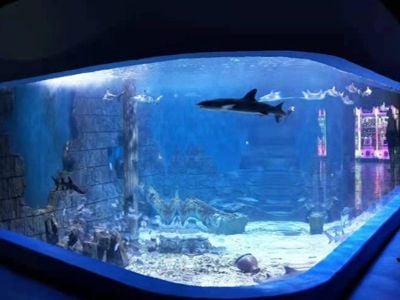
Segmented Acrylic Aquariums
When constructing a segmented acrylic aquarium you need to know how to bond them together. At Shanghai Lanhu we know what a clear and beautiful aquarium that shines brightly in you home or business is worth. With such acrylic aquarium available in all shapes and sizes there are plenty of opportunities for aquatic life to thrive. The trick is to glue the segments properly so that the tanks function effectively. This article guides you through the best practices for bonding these tanks together so they stay pretty and strong.
What Are the Benefits of Segmented Acrylic Aquariums?
Acrylic segmented tanks have a lot of pluses. For one thing they can be any size and shape. And if you want a giant tank for a big fish or a small one for an ornamental turtle segmented acrylic tanks can be made to fit perfectly. The also allow you to design a custom home for your fishy friends that complements and fits perfectly with the rest of your space. Another good thing is that acrylic weighs less than glass. This makes the tanks easier to move and configure. They can also be very tough and not break like glass tanks. If you let one glass tank slip it can shatter but a block of acrylic might only scratch. And acrylic is clear and floods natural light. This can aid in making plants corals and fish appear vivid and vibrant. See everything that beautiful life inside with clear tanks too. They are also easier to keep clean. With a bit of care these tanks in segments never fail to be shiny and clear. They also lack seals where dirt can accumulate a feature that some traditional tanks have. This is less work for you and more time that you can spend appreciating your fish! Finally when you are utilizing acrylic for aquarium you are also being more eco-concsious. Acrylic products are usually much more longer lasting and many can also be recycled and therefore generate less waste. That’s a win for our planet! When you add in all of these benefits it’s no wonder that segmented acrylic tanks are one of our top choices.
How to Make a Perfect Fit Bond for Segmented Acrylic Aquariums?
To properly join divided acrylic aquarium tanks there are some steps to be followed. Start with ensuring your pieces are clean. Use a dry towel to wipe off dirt or dust first before bonding. Just wipe it with some alcohol and a soft cloth does the job great. This step is a little one but it matters. When the surfaces are clean the adhesive will be better able to adhere. We said it was going to be easy because now we just have to select our bonding agent. There are glues that have been developed specifically for PVC composites like solvent cement and acrylic adhesive which also help make a solid bond. The solvent cement slightly softens the surfaces making it easier for them to stick together. Be sure to use the adhesive sparingly (less is more!) Press the sections together firmly but gently for several minutes. Clamps or rubber bands can help hold them in place while the bond sets. So no breaks in between in or else! Allow your bond to cure for a complete day before adding water into it. It’s difficult to wait but these steps are critical. Without the bond and by that you will get spilt water later on! And remember to take the temperature of your work space into account. Too cold or too hot can interfere with the curing process so aim for a comfortable temperature range. Wear gloves to protect your hands from the glue. And finally give your tank some extra love. And look for any spots that have not sunk by the end of the day which you’ll want to fix. Adhere to these practices and you’ll construct a clear and strong acrylic aquarium tank.
Why? Well you want to be sure that no part is going to come undone as the fish water (seriously it’s made from ground up fish) rushes into this thing. If you don’t glue the acrylic pieces properly that is. One common issue is bubbles. Bubbles can happen between the pieces depending upon the method used to glue them together. These bubbles may cause the aquarium to appear hazy and will weaken the adhesive. It’s important to spread the glue over all edges evenly and that it spreads out nicely. Yet another may be failing to degrease the surface before sticking. Even just a little dust or dirt can prevent the pieces from sticking properly. Never forget to clean the sides of the acrylic with alcohol or similar cleaner. Check for scratches too. Deep scratches if any could cause weak spots when the glue is applied. You might also want to lightly sand any rough spots just to ensure a perfect fit. Also be sure to work in a well ventilated room and at the proper temperature. If the weather is particularly cold or hot the glue might not dry correctly which can result in more bonding issues. Finally patience is key. After you've adhered the strips allow them to dry entirely before repositioning the aquarium. Hurrying increases the likelihood of mistakes that will cost you elsewhere.
Looking after your large acrylic aquarium is very important maintain and retain it looking good. First you should keep it clean regularly. It would be best if you can wipe off the interior with a soft cloth or sponge. With regular cleaning algae and dirt accumulation will not occur. Most often the best method is to use specific cleaners designed for acrylic. Such cleaners are soft and cannot give you a scratch on the floor. If you use regular glass cleaners they can damage the acrylic. And put nothing rough on them such as scrub brushes which can scratch. In addition to cleaning monitor the water quality. Keep an eye on the pH levels and salinity if you have saltwater fish. All fish need clean water in order to survive happily and healthily. You’ll also want to replace a small bit of the water every couple weeks This helps keep everything fresh and removes toxins. Finally regularly check your tank for evidence of wear or damage. If you notice any cracks or chips in the acrylic it’s best to address them immediately in order to prevent potential leaks that may cause bigger issues down the road. At Shanghai Lanhu we suggest establishing a habit to inspect your aquarium. With a little tender loving care your aquarium can continue to be beautiful and your fish happy.
New techniques and ways in acrylic tanks
There are always new techniques and ways as technology change how we bond acrylic tanks. For instance modern adhesives are more powerful and can cure much faster than the older glues. This can be a time saver when it comes time to set up the aquarium. Some companies are also exploring special sealants. When they dry these sealants can cure very hard and make a great protection against water leaks. And beyond that it makes the bonding even more hassle-free. You may get any equipment that spreads the gum uniformly on the acrylic’s surfaces. That means fewer bubbles and more intimate contact between the pieces. Another novel idea is curing of the glue by UV light. By this way the glue is cured rapidly by UV light and thereby the mechanical coupling is nearly instantaneous. That’s a nifty technology because reducing the downtime before the aquarium can be used is great. There are also studies under way about how to improve the bonding materials. They are always experimenting with new ways to make the new acrylic resistant to scratching and impact. By keeping us informed on these trends at Shanghai Lanhu we can produce the best bonding solutions. With the progression of technology the future of acrylic aquarium bonding will only improve to create even stronger more beautiful tanks for all.